
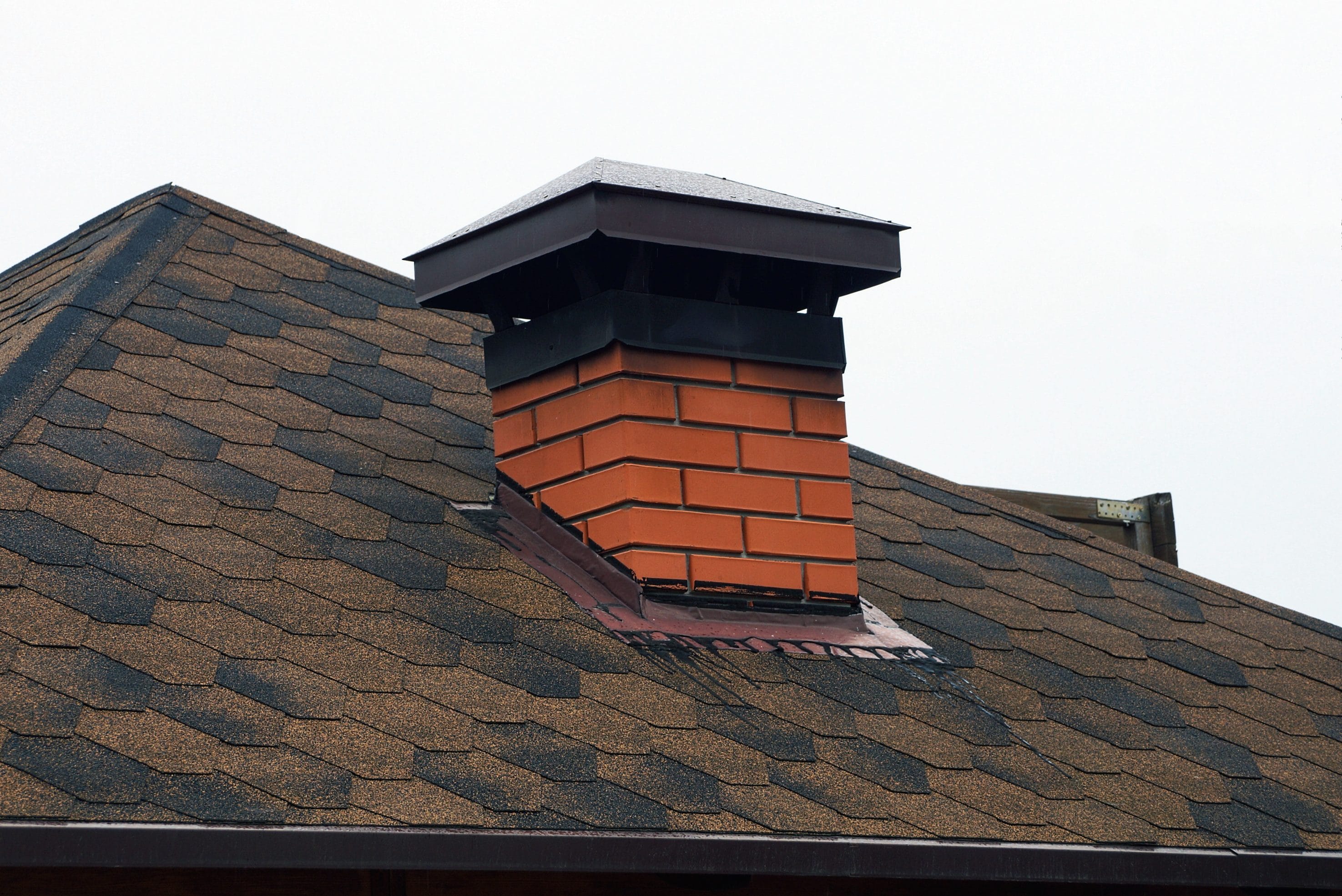
If your fireplace hasn’t been used in years, it’s easy to assume your chimney doesn’t need much attention. But homeowners across Milwaukee, Brookfield, Cedarburg, and the surrounding communities are often surprised to find out how much damage an unprotected chimney can cause, even without a single fire ever being lit. Rain, wildlife, and windblown debris don’t wait for a fireplace to be in use. A properly installed chimney cap plays a critical role in keeping your chimney and your home protected year-round.
What Does a Chimney Cap Do?
A chimney cap is a fitted cover installed at the very top of the flue opening. It typically features a solid top plate with mesh or metal sides that allow combustion gases to exit while keeping outside elements from getting in.
At its most fundamental level, the cap blocks rain and snow from falling directly into the flue. Water that enters an uncapped chimney doesn’t just sit at the bottom. It soaks into the surrounding masonry and mortar, causing gradual deterioration that can compromise the entire chimney structure over time.
Chimney caps also deflect wind-driven downdrafts, which are a common reason cold air pushes back through the fireplace and into the room, even when the damper is closed. For homeowners in Milwaukee, Cedarburg, Brookfield, and nearby areas, this becomes especially noticeable during winter months.
Beyond weather protection, caps with mesh screens catch sparks and embers before they can escape the flue and land on roofing materials or nearby landscaping, an important safety benefit even for occasional fireplace users.
What Happens If a Chimney Doesn’t Have a Cap?
Without a chimney cap, your flue is an open channel leading directly from the outside world into your home. For homeowners in Milwaukee, Brookfield, Cedarburg, and surrounding communities, Wisconsin’s harsh seasonal conditions mean that exposure accumulates quickly and the consequences are rarely minor.
- Water infiltration and masonry damage. Rain and snow that enter the flue saturate the mortar joints, brick, and chimney liner. Over time, freeze-thaw cycles force moisture deeper into the masonry, causing cracks, spalling, and structural weakening that are expensive to repair.
- Debris blockages. Leaves, twigs, and windblown material collect inside an unprotected flue and create obstructions that restrict airflow. If the fireplace is ever used, even occasionally, this buildup becomes a serious fire hazard.
- Animal nesting. Birds, squirrels, and raccoons are drawn to open chimneys as sheltered nesting spots. Once inside, they can create dangerous blockages, introduce unpleasant odors, and leave behind conditions that make the chimney unsafe to use.
- Increased downdraft and cold air intrusion. Without a cap to redirect wind, gusts push air directly down the flue and into the living space. This brings cold air, soot, and odors into the home even when the fireplace is not being used.
- Accelerated liner deterioration. Repeated moisture exposure breaks down chimney liners faster than normal wear would. A compromised liner is a safety risk if the chimney is ever returned to use, as it allows heat to transfer to surrounding combustible materials.
How Do I Know My Chimney Cap Needs to Be Replaced?
Chimney caps are built to last, but Wisconsin’s freeze-thaw cycles, heavy rainfall, and seasonal storms take a toll over time. Most homeowners in Cedarburg, Mequon, Brookfield, and nearby communities don’t think to check the cap until a problem has already developed. These are the signs that typically indicate a cap is failing or missing entirely.
- Visible rust or corrosion. A heavily rusted cap has lost its structural integrity. Holes and gaps from corrosion allow water and animals to enter just as easily as if no cap were present at all.
- A cap that is tilted, shifted, or missing. High winds and severe storms can knock a cap loose or remove it entirely. If the cap looks out of position or cannot be located during a visual check, it needs to be addressed promptly.
- Water stains inside the firebox or on nearby interior walls. Staining is often one of the earliest visible signs that moisture is entering through the flue. A damaged or missing cap is a common cause, though deteriorating flashing and crown damage can also be contributing factors.
- Unusual odors coming from the fireplace. Musty or unpleasant smells drifting from the firebox often indicate moisture accumulation, animal activity, or decaying nesting material inside the flue, all signs the cap is no longer doing its job.
- Sounds of birds or animals inside the chimney. Scratching, chirping, or rustling from the chimney area strongly suggests wildlife has entered through an unprotected or damaged cap. This warrants a professional inspection before any other chimney work is performed.
Can a Chimney Cap Keep Animals Out of My Flue?
Yes, and for homeowners across Milwaukee, Cedarburg, Brookfield, and the surrounding communities, this is one of the most practical reasons to keep a cap in good condition year-round.
Most chimney caps include a mesh skirting around the sides that acts as a physical barrier against animals. Without it, an open chimney is one of the most attractive entry points available, especially during spring and fall when birds, squirrels, and raccoons are actively seeking sheltered nesting locations.
Once animals establish themselves inside a flue, removal is rarely simple. Nesting materials create blockages and fire hazards, while droppings and debris affect indoor air quality. In the greater Milwaukee area, chimney swifts are a particularly common concern. These migratory birds are federally protected, meaning that once a nest is established during nesting season, removal is not legally permitted until after the birds depart.
A properly fitted chimney cap prevents the problem entirely. If you suspect animals have already entered your flue, a professional chimney inspection should be scheduled before any other chimney work is performed.
How Chimney Caps Help Prevent Chimney Fires
Chimney fires are more common than most homeowners expect, and a chimney cap is one of the more straightforward components that helps reduce that risk. Even in homes where the fireplace is rarely or never used, a functioning cap contributes to a safer chimney system overall.
- Blocking combustible debris before it enters the flue. Dry leaves, twigs, and nesting materials that collect in an uncapped chimney can ignite from a single stray ember. A cap prevents this material from entering the flue in the first place.
- Containing sparks and embers at the top of the chimney. Many chimney caps include a spark arrestor, a mesh screen that catches escaping sparks before they can land on the roof, gutters, or nearby trees. This is a significant safety feature for homes throughout the Brookfield, Cedarburg, and Milwaukee areas.
- Reducing moisture-related creosote complications. When water repeatedly enters the flue, it interacts with existing creosote deposits and can make them more difficult to remove through routine cleaning. Keeping moisture out helps maintain a cleaner flue interior and reduces the risk of a creosote-fueled fire.
- Supporting consistent draft and efficient combustion. A missing or damaged cap disrupts airflow through the chimney. Inconsistent draft causes fires to burn less efficiently, producing more smoke and creosote buildup on the liner, which elevates fire risk over time.
- Protecting the chimney liner from accelerated wear. Moisture damage to the liner creates gaps and cracks that allow heat to transfer to surrounding combustible materials. A properly functioning cap is one of the first lines of defense in keeping the liner in sound condition.
Your Chimney Cap Deserves a Closer Look
Whether your fireplace gets regular use or has sat quiet for years, the chimney cap above it is doing important work every single day. Homeowners in Milwaukee, Brookfield, Cedarburg, and throughout the surrounding area shouldn’t wait for visible damage before having it looked at. If you’re unsure whether your cap is intact or functioning as it should, reach out to a certified chimney professional to schedule an inspection and get a clear picture of your chimney’s condition.